

CPTPP Now in Force for Seven Countries
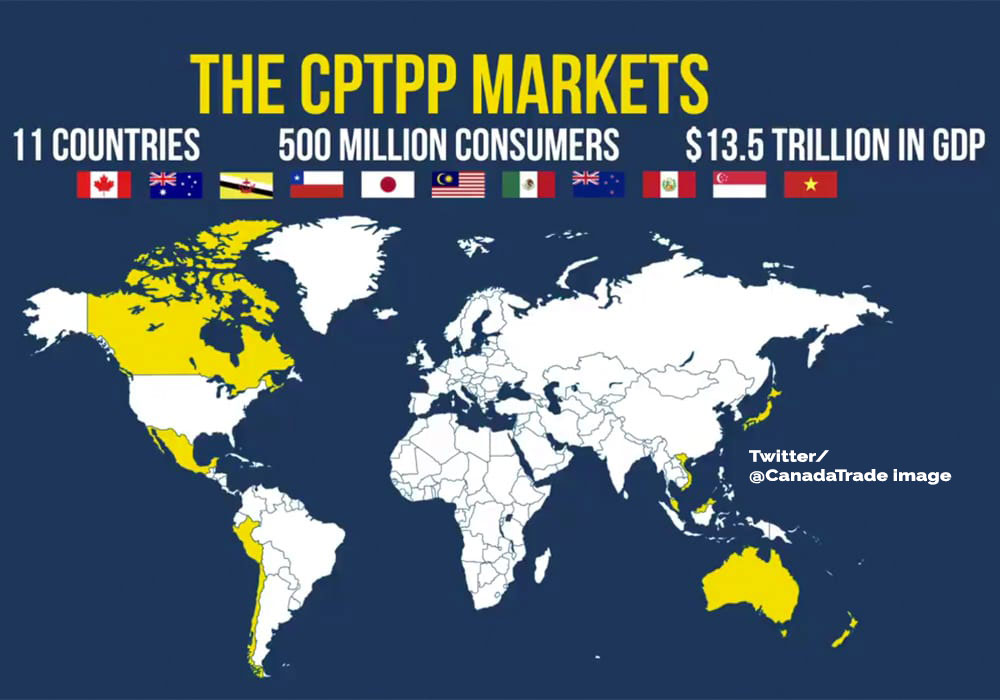
The Comprehensive & Progressive Agreement for Trans-Pacific Partnership is now in force for the first seven countries to have ratified this important multi-lateral trade agreement: Canada, Australia, Japan, Mexico, New Zealand, Singapore, and Vietnam. Brunei, Chile, Malaysia and Peru are still in the ratification process within their respective jurisdictions. Once fully ratified, the CPTPP region will include nearly 500 million consumers and 13.5% of global GDP.
The CPTPP incorporates the tariff outcomes in the original TPP agreement (which had included the U.S. until their withdrawal by the Trump administration in January 2017). This will result in a phased elimination of most tariffs such that when fully implemented, 99% of tariff lines among CPTPP countries will be duty free (thereby creating a potential advantage for manufacturing facilities located in Canada over competitors without the same tariff free access).
Further information on the implementation of the CPTPP can be found on Government of Canada’s website.
The agreement includes the TPP Cosmetics Annex which reduces many regulatory barriers to trade. This was originally negotiated through a united effort of our industry associations internationally led by PCPC.
The New NAFTA: Ratification & Implementation Update
With the signing of the initial agreement between Canada, Mexico and the U.S. last fall, the three parties are now in the process of finalizing and translating the legal text as well as preparing for the formal ratification processes in their respective countries.
In Canada, the federal government is preparing the implementation legislation. We have been advised that the bill will include amendments to the Food & Drugs Act required to implement various provisions negotiated in the Cosmetics Annex, including eliminating the prohibition on free sampling drug products. This was one of several objectives that our joint industry efforts were able to secure.
BREXIT: Uncertainly for Industry
Continued indecision and political turmoil in the United Kingdom are creating a growing uncertainty around what will happen on March 29th when the official British withdrawal from the E.U. is scheduled to legally take effect. As things stand, if nothing changes by way of an extension to the Brexit withdrawal date or Parliament’s ratification of an exit agreement with the E.U., Britain is on course to leave the E.U. on March 29th under what many have called a “hard Brexit”.
For our industry, a British withdrawal from the E.U. without an interim or transitional agreement will mean that the U.K. will be legally outside of the E.U.’s trade agreements (i.e. C.E.T.A.) and that W.T.O. tariff rates will likely apply. A further question as to the appropriate regulatory requirements for product being exported to the UK is also being asked.
CA will be reaching out to Global Affairs Canada and our association colleagues in the U.K. to get their updates on these important questions as events continue to develop. Stay tuned!